Seasonality and markets
Summer season: coordination of Google and Meta campaigns
In peak season, Google and Meta compete for the same guest and for the same budget. How to coordinate channels, attribution and messages without double counting.
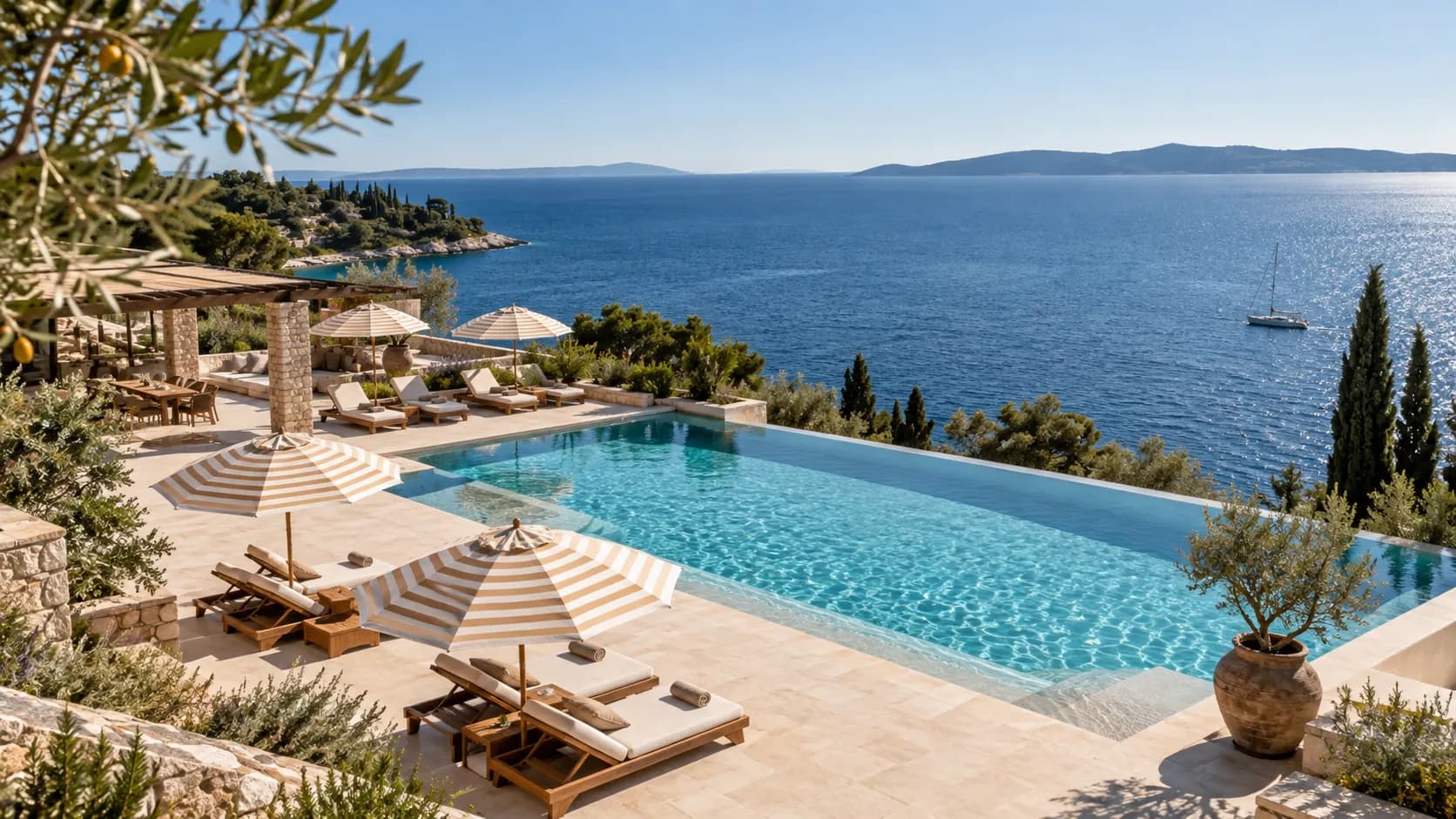
AI illustration
Why coordination becomes critical in the summer
From June to August, CPC on Google and CPM on Meta rise, sometimes several-fold compared with spring. At the same time, the hotel receives more organic traffic, OTA listings and word-of-mouth recommendations. The guest goes through multiple touchpoints before booking.
Without coordination, the two channels work in opposite directions: Meta expands prospecting while Google remarketing targets the same audience with a different message. The budget is being spent, and management is seeing confusing figures.
The role of each channel in the summer season
Google Search captures the guest at the moment of intent. Non-brand campaigns for generic queries ("hotel Rab coast"), brand protection from OTA and competitors, PMax or Hotel Ads where it makes sense.
Meta (Facebook/Instagram) inspires, builds desire, brings back the guests who have researched. Especially strong for visual experience: swimming pool, beach, dining and lifestyle.
Remarketing on both channels closes the loop, but with different creative. Google remarketing can be functional (dates, price); Meta remarketing emotional (experience, social proof).
More about Meta sales and demand campaigns in a hotel context.
Budget and phases of the summer season
| Phase | Meta | |
|---|---|---|
| Early booking (March-May) | Brand + non-brand test | Awareness, video |
| Pre-peak (May-June) | Non-brand scaling | Prospecting + remarketing |
| Peak (July-August) | Brand protection, remarketing | Remarketing, lookalike limited |
| Post-peak (September) | Extended Stays | Retargeting existing audiences |
The budget does not need to be static: follow seasonal planning Google Ads and adjust weekly according to occupancy.
Attribution: Avoiding Chaos in Reports
The most common problem in the summer season: both channels "win".
Practical rules:
- One primary model - for internal decisions (e.g. data-driven in GA4)
- Last-click - as a secondary view for operational corrections
- Do not add - conversions from Google Ads and Meta Ads without deduplication
- Server-side tracking - reduces data loss on mobile devices
More detailed in Article about Attribution of Meta and Google. Server-side tracking becomes especially important when iOS restrictions increase "holes" in data.
Creative and messaging: alignment
The guest must not see contradictory messages:
- Meta promises "all inclusive vibe", the landing page shows room-only stays
- Google ad mentions parking, booking engine does not offer it as included
- Different prices on channels without explanation
Coordination of prices and messages through the season is a prerequisite for coordination, not just a revenue task.
Operative weekly rhythm of the season
During peak season, we recommend:
- Monday - revenue overview for the next 14 days
- Wednesday - budget correction and pausing campaigns for sold-out dates
- Friday - cost per booking per channel
When the advertised dates are almost full, check which room, rate plan and date the campaign can still sell. Align your budget with the remaining inventory and margin; total hotel occupancy alone is not a sufficient reason to shut down non-brand campaigns.
KPIs for management
In the summer report, clearly distinguish:
- cost per booking per channel
- share of direct bookings compared to OTA
- Average value of booking per channel
- conversion rate of the booking engine (especially mobile)
Hotel dashboard KPIs should display these metrics together, rather than isolated by channel.
Preparations for next season
The summer season is not planned in June. Creative, landing pages and tracking should be ready by April.
Conclusion
Google and Meta are not competitors: they are complementary channels with different roles. Coordination in the summer season means clear roles, shared attribution and an operational rhythm aligned with occupancy.
For your hotel's campaign coordination plan, request a hotel audit.
Related: case study Meneghetti Wine Hotel & Winery. Campaigns, the booking engine and direct booking results, June 2026 vs June 2025, source GA4.
Frequently asked questions
What proportion of the budget to put on Meta in the summer season?
There is no universal ratio. A hotel with strong visual content and lifestyle positioning often gives Meta a higher share. The hotel that sells mainly through active travel planning relies on Google. Start with the 60/40 or 70/30 test and adjust according to the cost per booking per channel.
Why do both channels show conversions for the same booking?
Because the guest often sees the ad on Meta and then searches the hotel on Google before booking. Without proper attribution and coordinated tracking, both channels receive credit. Use the data-driven or last-click model deliberately; do not mix models between reports.
Nikton Hospitality. A digital marketing agency for hotels.
About Nikton Hospitality and how we workRelated articles

Google Ads
Seasonal Google Ads budget planning for hotels
An even monthly Google Ads budget for a highly seasonal hotel spends money when demand arrives organically and leaves too little funding to fill quieter dates.

Meta Ads
Attribution for Meta and Google campaigns in hotels
How to compare Google Ads, Meta, GA4 and the booking engine without counting the same bookings twice: reconciliation and the decisions the data can support.