Meta Ads
Meta campaigns for hotel spas and restaurants
Spas and restaurants have a different booking cycle from accommodation. Here is how to set up Meta campaigns that fill tables and appointments, not just the feed.
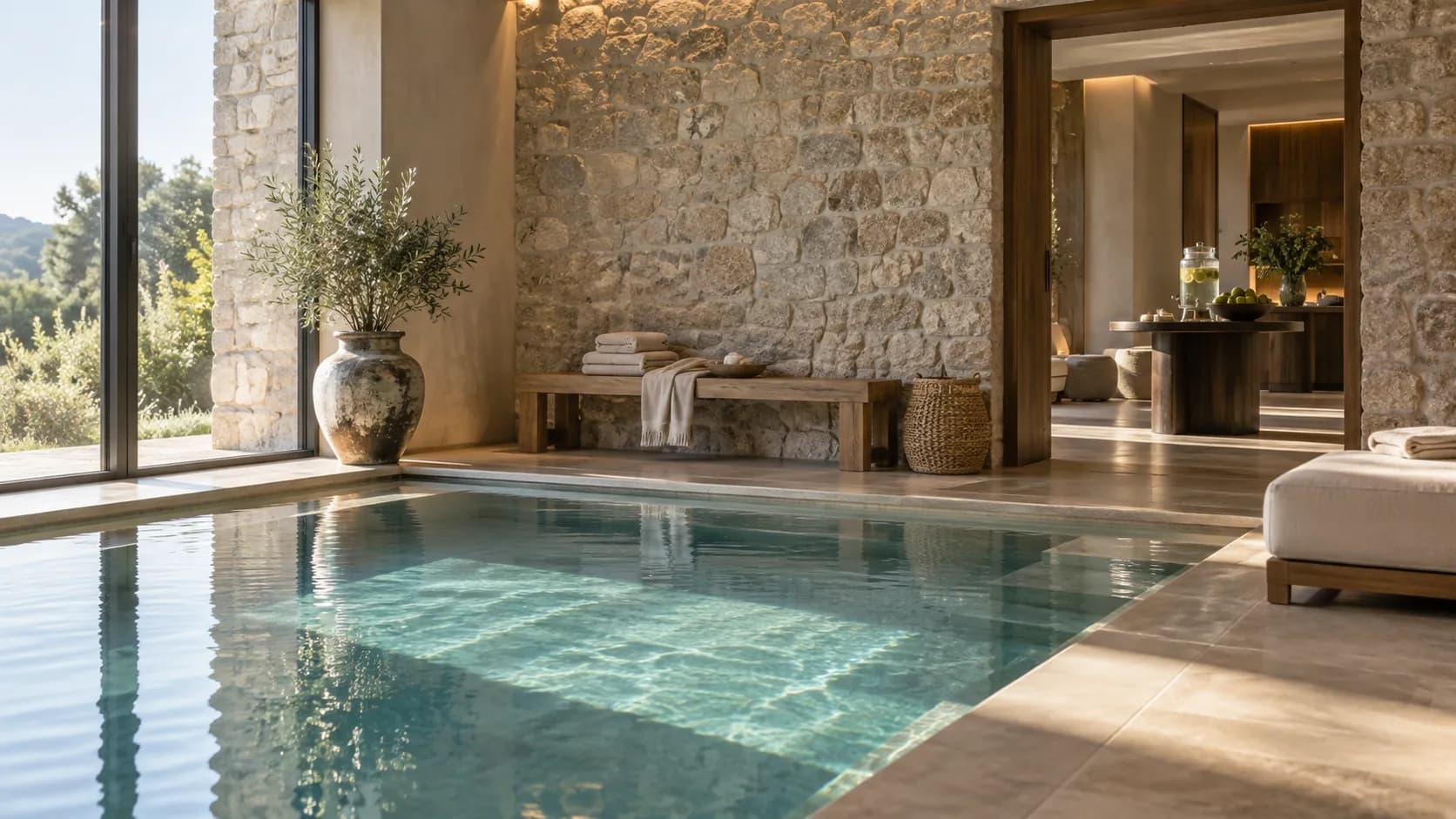
AI illustration
The hotel’s spa and restaurant often get the “rest” of the budget after the accommodation campaigns. But ancillary revenue can significantly raise the profitability of the property, especially in the low season when accommodation marketing is losing efficiency.
Meta campaigns for spa and restaurant require a different approach than accommodation: shorter booking window, more local audience, visual experience instead of rate plans and separate tracking of results.
Why a spa and restaurant aren’t “the same campaign” as accommodation
| Aspect | Accommodation | Spa / Restaurant |
|---|---|---|
| Booking window | 7-90 days | 1-14 days |
| Audience | Foreign, wide geo | Local + hotel guests |
| Decision | Travel planning | Impulse or planned treatment |
| Price | 100-500+ € | 30-150 € |
| CTA | Book a stay | Book an appointment / table |
Mixing these campaigns into one report hides the real picture: a spa campaign with ROAS 5x and accommodations with ROAS 2x look like "average 3.5x": useless information for budget decisions.
Restaurant: local audience and experience
The hotel's restaurant targets three segments:
- Local guests - regular guests from the city and the surrounding area, not tourists
- Hotel guests - upsell during their stay (breakfast, dinner, special events)
- Tourists in destination - “where to eat in [city]” audience
Meta restaurant campaigns:
- Geo targeting - 15-30 km radius for local audience
- Creative - dishes, atmosphere, chef, seasonal menu (not hotel room)
- CTA - table booking (phone, web form, OpenTable integration)
- Time - campaigns increased on Wednesdays-Saturdays, especially for weekend brunch
Measurement: number of table bookings from the campaign, average bill, new vs returning guests. Without a booking system, the campaign cannot be optimized.
Spa: seasonal offers and packages
Spa marketing on Meta works best with:
- Seasonal packages - "Winter wellness weekend", "Detox in spring"
- Gift vouchers - November and December, valentine's day
- Local treatments - masks from local ingredients, traditional techniques
- Before/after visuals - results of treatment (with consent)
Audiences:
- Women 28-55, interests wellness and beauty (prospecting)
- Visitors to the spa page on the website (remarketing)
- Hotel guests who have not booked a spa (cross-sell by email + Meta)
Budget: 300-600 € monthly in season, less outside it. The spa has a lower AOV than the accommodation, but also a lower acquisition cost.
Separate tracking and reporting
Each segment must have:
- Separate campaigns - in Meta Ads Manager
- Separate landing pages - or UTM parameters
- Separate conversions - lead form, phone call, online booking
- Separate KPIs in dashboard - cost per booking, revenue, ROI
Connect Meta campaigns with PMS data: how many spa treatments and restaurant bills come from paid traffic vs organic vs walk-in. Without that connection, the marketing and F&B team speak different languages.
For data consolidation, see booking engine analytics and GA4 tracking for hotels.
Creative: experience, not inventory
The most common mistake: spa and restaurant ads look like accommodation ads with a different title. Effective creative:
- Restaurant: close-up dishes, chef in action, guests at the table (with permission)
- Spa: treatment in progress, scented details, relaxed atmosphere
- Video 10-20 seconds - Reels format for both categories
Avoid generic stock photos of massages and plates: guests recognise inauthenticity.
Seasonal calendar for ancillary campaigns
- Q1: Wellness and detox packages, valentine's spa for couples
- Q2: Preparation of the season, local restaurant for the tourist season
- Q3: Spa for hotel guests (in-stay upsell), restaurant for tourists
- Q4: Gift certificates, advent menus, corporate events
In the accommodation low season, ancillary campaigns can maintain revenue and test creative ideas for the next year.
Operational alignment
A campaign without operational readiness wastes the budget:
- Spa must have available appointments for which it is advertised
- The restaurant must be able to receive bookings from the campaign
- Staff must know that traffic is coming from Meta ads
Check capacity before launching campaigns. Use booking engine checklist for web bookings and hotel audit for overall channel alignment.
Conclusion
Meta campaigns for spa and restaurant are not a complement to accommodation marketing: they are a separate channel with its own rules, audiences and metrics. Set up separate campaigns, measure cost per booking, and link to PMS data. Attributed revenue does not automatically represent the additional revenue generated by the campaign. Before expanding, compare cost, completed visits, margin and available dates.
For accommodation campaigns, see Meta Ads for hotels.
Related: case study Meneghetti Wine Hotel & Winery. Campaigns, the booking engine and direct booking results, June 2026 vs June 2025, source GA4.
Frequently asked questions
Should I advertise the spa and restaurant separately from accommodation?
Yes. Accommodation has a longer booking window and a different audience. Spas and restaurants target local audiences with shorter decision timelines and different creative. Separate campaigns let you track cost per booking clearly for each segment.
How do I measure ROI for spa and restaurant campaigns?
Track appointment and table bookings, average order value and the share of hotel guests versus external guests. Compare campaign costs with revenue from the PMS or reservation system, not just clicks.
Nikton Hospitality. A digital marketing agency for hotels.
About Nikton Hospitality and how we workRelated articles

Meta Ads
Instagram advertising for boutique hotels
A boutique hotel on Instagram sells an experience, not a bed. Here is how to set up ads that attract the right audience and measure bookings, not just engagement.

Meta Ads
Meta Ads for hotels: sales, demand and expectations
Meta Ads can generate demand or convert existing interest, provided the hotel distinguishes prospecting from remarketing and measures actual bookings.