Meta Ads
Instagram advertising for boutique hotels
A boutique hotel on Instagram sells an experience, not a bed. Here is how to set up ads that attract the right audience and measure bookings, not just engagement.
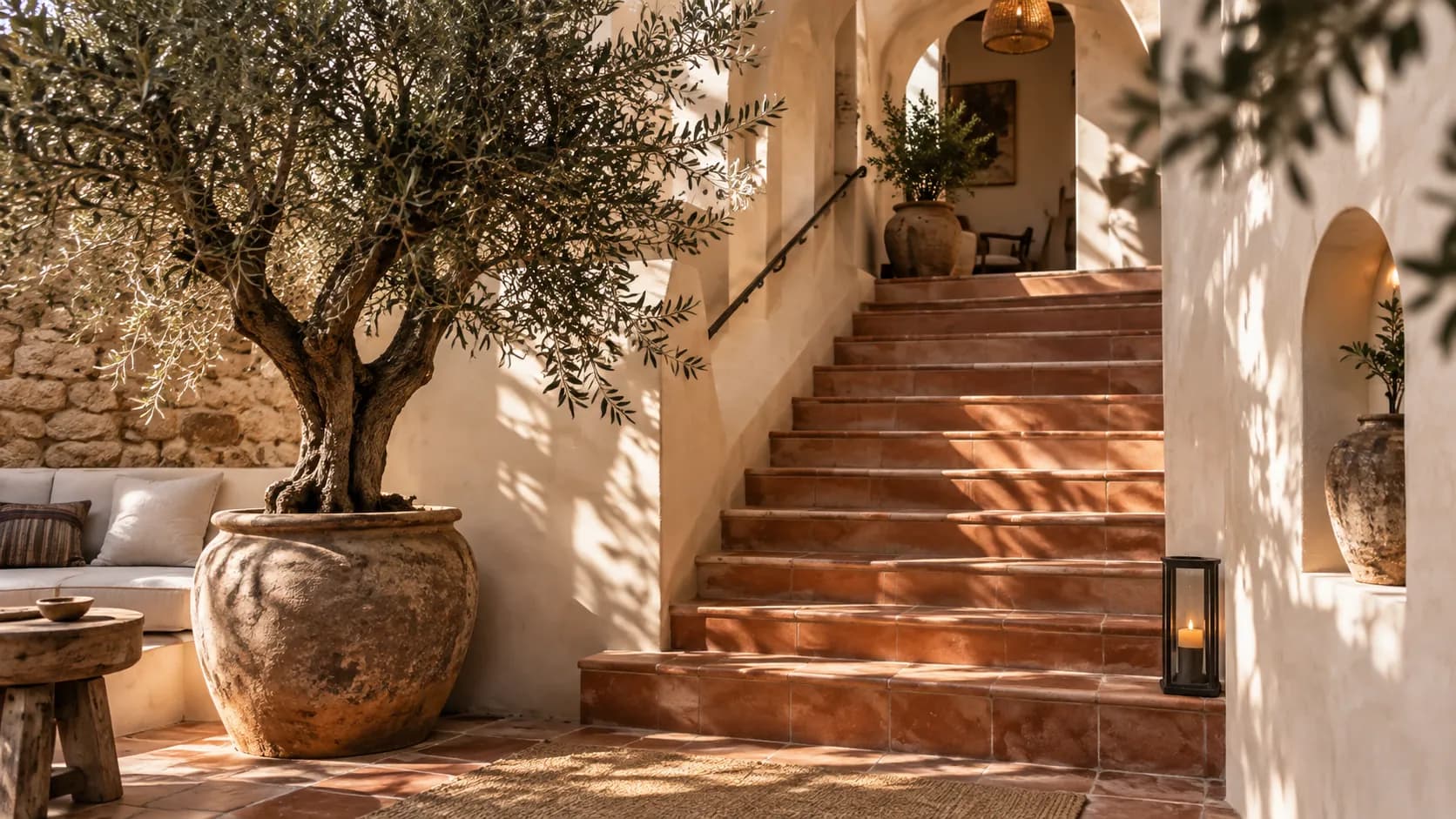
AI illustration
Boutique hotel does not sell 120 rooms and a conference hall: it sells atmosphere, design, location and personal experience. Instagram is a natural platform for this story. But "nice feed" and "Instagram ads that make bookings" are not the same.
Advertising on Instagram for a boutique hotel requires a different approach than a mass resort: a smaller budget, stronger creatives, narrower targeting and a focus on booking quality, not volume.
Why Instagram for boutique and not generic Meta Ads
Boutique guest brings more per stay (higher ADR, more ancillaries) and seeks authenticity. Instagram makes this possible:
- Visual narration - interior details, local gastronomy, view from the terrace
- Reels format - 15-30 seconds of experience that a static image cannot convey
- Influencer aesthetic - UGC and lifestyle content outperform stock photos
- Geo-targeting - reach guests in specific cities (Milan, Munich, London)
For the operational setup of the Meta campaign, see Meta Ads for Hotels.
Formats that work
| Format | When to use | Note |
|---|---|---|
| Reels | Prospecting, storytelling | Lowest CPM, highest reach |
| Carousel | Rooms, packages, surroundings | Good for Consideration Phase |
| Single image | Remarketing, offers | Fast production, testing |
| Stories | Limited offers, urgency | Short-term campaigns |
Determine the share of Reels with a test according to the goal of the campaign and the quality of the materials available. Compare short video and other formats on the same business metric; the cost of production does not in itself predict the effect.
Creative strategy for boutique
Each ad must answer the question: "Why this particular hotel and not the next one on Booking.com?"
- One clear visual identity - same palette, font and tone in all ads
- Local context - street, market, restaurant nearby; guest buys destination
- Details, not panoramas - bedding texture, espresso in the morning, flowers in the hallway
- Social proof - guest quotation, rating, award (no exaggeration)
- CTA on direct booking - "Book on our web" with best rate message
Rotate 3-4 creative variants simultaneously. Boutique hotel doesn’t have the budget for one ad: it has the budget for testing.
Audiences and Targeting
For a boutique hotel, broad interests ("travel", "luxury") bring too much irrelevant traffic. Narrower targeting:
- Geo - cities with direct flights or driving access (2-4 driving hours)
- Interests - boutique hotels, design, gastronomy, wellness, sustainable tourism
- Lookalike - from existing guests (email list, purchase event) highest quality prospecting
- Remarketing - website visitors, engagement with Instagram profile
Lookalike audiences from the purchase event usually bring the best ratio of quality and cost but require a minimum of 100 conversions in the past 6 months.
Organic profile + paid ads
Instagram advertising does not work in isolation from an organic profile:
- Organic content tests creative ideas before investing in ads
- Paid ads reach an audience that doesn’t follow a profile
- Profile must have a clear link to booking (link in bio → direct booking)
Compare organic engagement rates with paid ad CTR: content that performs well organically also tends to convert better in ads.
Measurement: bookings, not likes
Boutique hotel cannot afford to optimize on engagement. Measure:
- Purchase event - from booking engine (via Meta Pixel or CAPI)
- Booking cost - compare with OTA commission
- Average booking value - per channel
- Booking window - how many days before arrival the guest is booking
Without purchase tracking, Instagram advertising is branding without accountability. Check the setup through GA4 tracking for hotels and booking engine checklist.
Seasonal calendar for boutique
- January-March: Early booking, valentine's day, wellness packages
- April-May: Preparation of the season, lookalike prospecting
- June-August: Peak season remarketing + limited availability
- September-October: Extended season, gastronomy, events
- November-December: Advent, corporate, gift vouchers
Adjust your budget to website traffic: reduce prospecting in the dead season and focus on next season’s offers.
Conclusion
Instagram advertising for a boutique hotel is not a luxury: it is the most direct channel for the story that boutique sells. But it requires discipline in creative, targeting and measurement. Start with Reels prospecting to a narrow audience, add remarketing, and measure cost per booking, not engagement.
For channel and tracking analysis, request a hotel audit.
Related: case study Meneghetti Wine Hotel & Winery. Campaigns, the booking engine and direct booking results, June 2026 vs June 2025, source GA4.
Frequently asked questions
Should I advertise on Instagram or Facebook for a boutique hotel?
For the boutique segment, Instagram is the primary platform: visual experience, younger audience, Reels format. Facebook makes sense for remarketing and an older audience. In practice, campaigns go to both platforms within the Meta ecosystem, with an emphasis on Instagram placement.
How much does Instagram advertising cost for a boutique hotel?
The Instagram CPM for the hotel segment ranges from 5-12 €, depending on the season and market. The budget of 800-1,500 € monthly in the season gives enough data to test the creative and the audience.
Nikton Hospitality. A digital marketing agency for hotels.
About Nikton Hospitality and how we workRelated articles
Meta Ads
Meta Ads for hotels: sales, demand and expectations
Meta Ads can generate demand or convert existing interest, provided the hotel distinguishes prospecting from remarketing and measures actual bookings.
Meta Ads
Meta campaigns for hotel spas and restaurants
Spas and restaurants have a different booking cycle from accommodation. Here is how to set up Meta campaigns that fill tables and appointments, not just the feed.